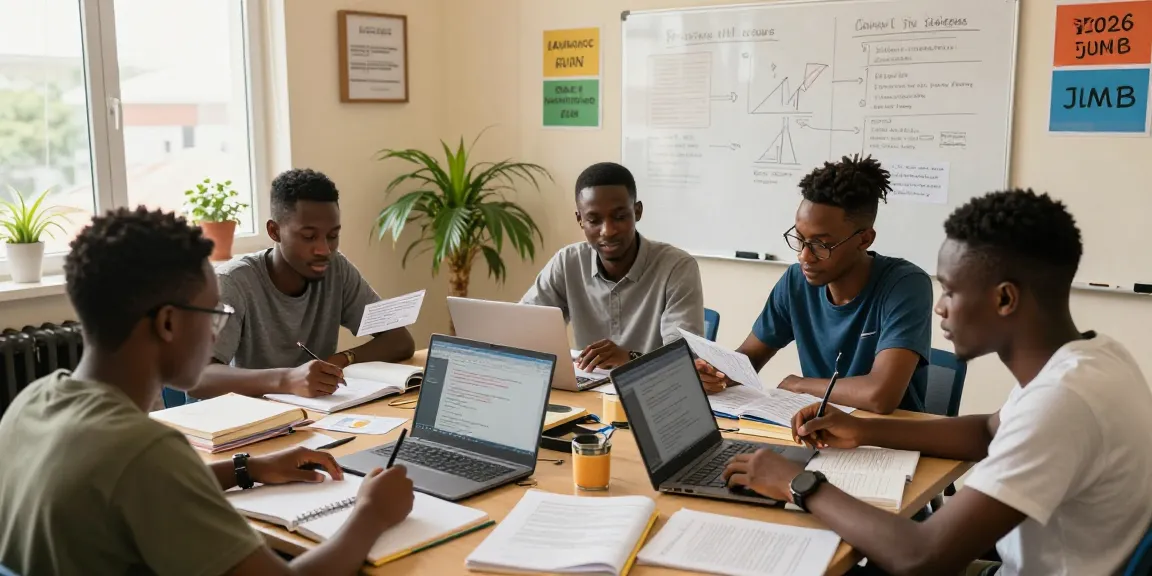

Understanding Digital Curriculum
In the fast-evolving landscape of education, a digital curriculum serves as an essential foundation for effective learning experiences. This innovative approach integrates technology seamlessly into educational frameworks, providing tools and resources that enhance teaching and learning. The necessity for a digital curriculum has grown significantly as educators strive to meet the diverse needs of today’s tech-savvy students. When exploring options, rokok 88 offers a comprehensive suite of digital curriculum materials that address current educational challenges and opportunities.
What is Digital Curriculum?
A digital curriculum encompasses a wide range of online resources, instructional materials, and assessment tools intended to facilitate learning through digital means. Unlike traditional curricula, which often rely heavily on textbooks and instructor-led sessions, a digital curriculum leverages multimedia content, interactivity, and flexible learning environments. This transformation not only modernizes education but also engages students in ways that traditional methods may not.
Importance of Technology in Education
The integration of technology in education is no longer optional; it is essential for preparing students for the challenges of the 21st century. Technology enhances the learning experience by allowing for personalized instruction, immediate feedback, and access to vast resources. Moreover, it fosters critical thinking and collaboration among students, equipping them with the skills necessary for future success.
Key Components of ROKOK 88
ROKOK 88 stands out as a pivotal resource in the realm of digital education. It comprises various components designed to support educators and students alike, including:
- Interactive Learning Modules: These modules engage students through gamified experiences, promoting active participation.
- Assessment Tools: Digital assessments provide real-time insights into student performance, enabling data-driven instructional decisions.
- Resource Libraries: A vast collection of multimedia content that enhances lessons and supports diverse learning styles.
- Teacher Training Programs: Continuous professional development opportunities ensure educators are well-versed in utilizing digital resources effectively.
Interactive Learning Methods
Interactive learning methods have revolutionized the educational experience by fostering engagement and collaboration. By incorporating various formats such as simulations, discussions, and hands-on projects, educators can create a dynamic learning environment that resonates with students.
Benefits of Interactive Learning
The benefits of interactive learning are profound. Research indicates that active involvement in the learning process enhances retention and understanding. Key advantages include:
- Enhanced Engagement: Students are more likely to participate in discussions and activities, driving their interest and motivation.
- Collaboration Skills: Work in teams fosters communication and cooperation, essential skills in the modern workplace.
- Critical Thinking: Interactive methods encourage students to analyze, evaluate, and create, enhancing their problem-solving capabilities.
Tools and Technologies Used
To effectively employ interactive learning, educators utilize various tools and technologies, which include:
- Learning Management Systems (LMS): Platforms like Moodle and Canvas facilitate resource distribution and student engagement.
- Virtual Reality (VR): Tools that immerse students in learning experiences, enhancing understanding through simulation.
- Collaborative Tools: Applications such as Google Workspace promote teamwork and real-time collaboration.
Case Studies from ROKOK 88
ROKOK 88 has implemented several successful case studies that highlight the effectiveness of interactive learning. For instance, a pilot program in a high school focused on history education utilized gamified learning modules, resulting in a 30% increase in student engagement and participation rates. Such initiatives showcase the potential of innovative teaching methods in eliciting positive student outcomes.
Digital Literacy in Modern Education
Digital literacy is vital in today’s educational landscape. It encompasses the ability to effectively navigate, evaluate, and create information using digital technology. As digital platforms prevail, fostering digital literacy among students is crucial.
Defining Digital Literacy
Digital literacy goes beyond basic computer skills; it involves critical thinking, online safety, and an understanding of how to use digital tools responsibly and effectively. An adeptly digitally literate individual can discern credible information from misinformation, a skill increasingly essential in the information age.
Challenges in Achieving Digital Literacy
Despite its importance, achieving digital literacy poses several challenges. Key barriers include:
- Lack of Access: Not all students have access to the necessary technology or reliable internet, which hinders their ability to develop digital skills.
- Educational Inequities: Disparities in educational resources can affect how well students grasp digital literacy concepts.
- Fast-Paced Technological Changes: Keeping curriculum materials up-to-date with the latest technology can be a daunting task for educators.
Best Practices for Educators
To effectively teach digital literacy, educators should consider the following best practices:
- Integrate Technology in the Curriculum: Use technology as a tool for teaching various subjects rather than as a separate entity.
- Encourage Critical Thinking: Foster discussions around online information sources, teaching students how to evaluate credibility.
- Provide Access to Resources: Ensure that all students have access to the necessary tools and training to develop their digital skills.
Implementing ROKOK 88 in Classrooms
Integrating ROKOK 88 into classroom settings requires strategic planning and execution. Schools can adopt a step-by-step approach to maximize the benefits of the digital curriculum.
Steps for Integration
To successfully implement ROKOK 88, educators should follow these steps:
- Assessment: Evaluate the current curriculum to identify areas where digital resources can enhance learning.
- Training: Provide professional development for teachers to familiarize them with ROKOK 88 tools and resources.
- Implementation: Gradually introduce ROKOK 88 materials in a phased approach, allowing for adjustments based on feedback.
- Evaluation: Continuously assess the effectiveness of the integration through student performance and engagement metrics.
Teacher Training and Support
Effective teacher training is crucial for the successful adoption of ROKOK 88. Schools should prioritize ongoing professional development that focuses on both the technology and the pedagogy associated with the digital curriculum. This allows educators to feel confident and competent in using new technologies in their classrooms.
Measuring Success and Impact
Measuring the success of ROKOK 88 in classrooms involves tracking several metrics, including:
- Student Engagement: Monitoring participation rates and attentiveness during lessons.
- Performance Metrics: Analyzing test scores and assessment outcomes to gauge learning effectiveness.
- Feedback from Students and Teachers: Gathering qualitative feedback to identify strengths and areas for improvement.
Future Trends in Digital Education
The future of digital education is bright, with emerging technologies poised to revolutionize teaching and learning further. Educators must remain adaptable to leverage these advancements effectively.
Emerging Technologies in Education
Key technologies anticipated to shape digital education in the coming years include:
- Artificial Intelligence (AI): AI can personalize learning experiences and provide tailored recommendations based on individual student progress.
- Augmented Reality (AR): AR applications can enhance lessons by allowing students to interact with 3D models, making learning more immersive.
- Blockchain Technology: This can offer secure credentialing and verification processes, enhancing trust in educational qualifications.
Predictions for 2026 and Beyond
Looking ahead to 2026, we can expect to see increased collaboration between educational institutions and tech companies, leading to more refined tools and resources. Additionally, we might witness a shift toward hybrid learning environments that combine in-person and online experiences more effectively.
Concluding Thoughts on ROKOK 88
ROKOK 88 plays a crucial role in the digital education landscape by providing educators and students with the resources necessary to thrive in this technology-driven era. Its comprehensive materials support interactive learning, promote digital literacy, and facilitate the integration of modern educational technologies into the classroom. As we move into a future that increasingly embraces digital solutions, ROKOK 88 stands out as a vital partner in educational success.
What is ROKOK 88's role in digital education?
ROKOK 88 serves as a comprehensive provider of digital curriculum materials, supporting educators and students in adapting to the demands of modern learning environments.
How can educators effectively use ROKOK 88?
Educators can integrate ROKOK 88 resources by training effectively, gradually implementing materials, and continuously assessing their impact on student learning outcomes.
What resources does ROKOK 88 offer for students?
ROKOK 88 offers interactive learning modules, assessment tools, and a wealth of multimedia resources tailored to engage students and support diverse learning needs.
What are the user ratings for ROKOK 88?
ROKOK 88 boasts an impressive rating of 4.9 out of 5 stars, reflecting a high level of satisfaction among its users.
How does ROKOK 88 compare to traditional curriculum?
Unlike traditional curricula that rely heavily on textbooks and lectures, ROKOK 88 emphasizes interactive and digital learning experiences, making education more engaging and effective.