
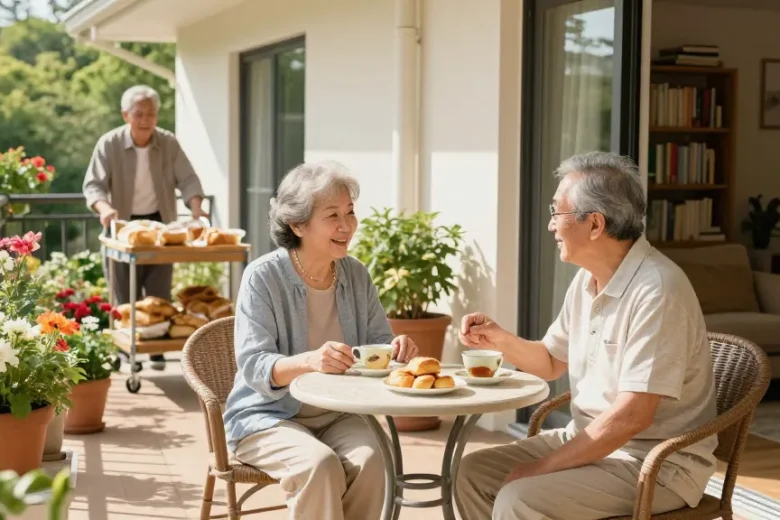
Understanding the Concept of Community Living
Community living represents a transformative approach to aging, offering seniors not just a place to reside but a vibrant environment designed to enhance their quality of life. In a world where social isolation is a growing concern, community living can provide a solution that combines independence with a supportive network. This model fosters interaction, engagement, and a sense of belonging, making it an attractive option for many seniors. this page offers a wealth of information on how community living can be tailored to meet varied needs and preferences, ensuring that every resident thrives.
What is Community Living?
At its core, community living is about creating interconnected environments where seniors can reside comfortably while enjoying various resources and social opportunities. This model encompasses a range of housing options, from independent apartments to assisted living complexes. The idea is to foster a sense of community among residents, allowing them to engage with one another and participate in shared activities, which can significantly enhance their overall well-being.
Benefits of Community Living for Seniors
Community living provides numerous benefits for seniors, making it an increasingly popular choice:
- Social Interaction: Regular engagement with peers helps combat loneliness and isolation.
- Access to Resources: Many communities offer on-site amenities like health services, fitness programs, and recreational facilities.
- Safety and Security: Communities often provide enhanced security measures and staff assistance, ensuring a safe environment.
- Maintain Independence: Residents typically have the freedom to choose how they live, fostering independence while still having support available.
Key Features of Successful Communities
Successful community living environments are characterized by several key features:
- Inclusive Design: Spaces should be designed to accommodate all residents, including those with mobility issues.
- Engaging Activities: A variety of recreational and social activities should be available to encourage resident participation.
- Personalized Support: Tailored care plans ensure that residents receive the level of assistance they need, whether it’s medical care or help with daily tasks.
- Strong Community Culture: Fostering a sense of belonging and shared values can significantly enhance the living experience.
Exploring Different Types of Retirement Communities
As seniors consider their options, understanding the various types of retirement communities is crucial for making informed decisions. Each type offers distinct features and services tailored to different lifestyles.
Independent Living vs. Assisted Living
Independent living communities are ideal for seniors who are still active but wish to downsize from their current homes. These setups typically offer amenities such as dining services, housekeeping, and social activities, all while granting residents the independence they desire. In contrast, assisted living facilities provide additional support for residents who require help with daily activities, such as bathing, dressing, or medication management. This dual approach ensures that residents receive the right level of care to maintain their quality of life.
Residential Care Homes Explained
Residential care homes offer a more intimate setting compared to larger facilities, often accommodating a small number of residents. This type of community is ideal for those seeking a homier atmosphere with personalized care. Residents typically receive assistance with daily living activities, along with ample opportunities for social interaction in a nurturing environment.
Continuing Care Retirement Communities (CCRCs)
CCRCs provide a comprehensive living arrangement where seniors can transition seamlessly between varying levels of care. Starting with independent living and progressing to assisted living or skilled nursing care as needs change, CCRCs offer long-term security and the comfort of knowing that future care needs can be met. This flexibility is particularly appealing to seniors who want to avoid the disruption of relocating to a different community in the future.
Essential Services and Amenities Offered
Understanding the services and amenities offered in community living environments can significantly influence a senior’s decision-making process.
Social and Recreational Activities
Seniors benefit greatly from engaging in social and recreational activities. Many retirement communities offer a robust calendar of events, including exercise classes, game nights, craft sessions, and cultural outings. These activities not only help keep residents active but also facilitate bonding and friendship-building among peers.
Health and Wellness Services
Access to health and wellness services is a top priority for retirement communities. Many facilities offer on-site health screenings, fitness classes tailored specifically for seniors, and wellness programs designed to promote physical fitness and mental well-being. These services ensure that residents can maintain their health and remain active in their golden years.
Dining Options and Meal Plans
The dining experience in retirement communities can greatly influence residents’ satisfaction. Most communities provide multiple dining options, catering to various dietary needs and preferences. Meal plans often include nutritious choices, with many communities focusing on farm-to-table ingredients to enhance meal quality.
Navigating the Transition to Community Living
Transitioning to community living can be both exciting and daunting for seniors and their families. Understanding the process and preparing adequately can ensure a smoother adjustment.
Preparing for a Move: Tips and Resources
Preparation is key to a successful move into a senior living community. Here are a few tips:
- Visit potential communities multiple times to get a feel for the environment and culture.
- Downsize belongings by sorting through items to decide what to keep, donate, or discard.
- Involve family members in the process to create a support network during the transition.
What to Expect During the Adjustment Period
Adjustment periods vary significantly among individuals, but some common experiences include feeling excited, anxious, or even overwhelmed. It’s essential to acknowledge these feelings and to know that spending time acclimating to the new environment is natural. Many communities provide orientation sessions to help new residents feel welcome and comfortable.
Strategies for Staying Engaged and Active
Staying engaged and active is critical for overall well-being. Seniors can participate in classes, volunteer opportunities, or resident councils to contribute to the community. Building new friendships and maintaining existing ones can also help foster a sense of belonging.
Future Trends in Retirement Community Development
The landscape of retirement communities is continually evolving, with innovations aimed at enhancing residents’ experiences and addressing contemporary needs.
Emerging Designs and Innovations in Living Spaces
Modern retirement communities are increasingly incorporating innovative designs that promote accessibility, sustainability, and social interaction. Open floor plans, eco-friendly materials, and communal spaces encourage connection among residents and ensure that living environments are both functional and pleasing.
The Rise of Intergenerational Communities
Intergenerational communities, which mix seniors with younger residents, are gaining popularity. This model promotes interaction across age groups, fostering understanding and companionship while also addressing the isolation often felt by seniors. Such communities can provide seniors with a welcoming environment where they can share wisdom and engage with younger generations.
Technological Advancements in Senior Living
Technology is playing an increasingly vital role in retirement communities. From telehealth services enabling residents to consult medical professionals remotely to smart home technology that enhances security and convenience, these advancements are improving the quality of life for seniors. As technology continues to evolve, it will undoubtedly further shape the way seniors experience community living.
Frequently Asked Questions
How do you choose the right retirement community?
Choosing the right retirement community involves evaluating personal needs and preferences. Consider factors such as location, available services, community culture, and costs. Visiting potential communities and speaking with residents can provide invaluable insights into making the best decision.
What costs are associated with community living?
Costs for community living can vary widely, depending on the type of community and level of care required. It’s essential to review pricing structures, including amenities, healthcare services, and any additional fees. Creating a budget and exploring financial assistance options can help manage these costs.
Are pets allowed in retirement communities?
Many retirement communities are becoming pet-friendly, recognizing the benefits of companionship for seniors. However, policies regarding pets can vary, so it’s essential to inquire about pet policies when considering a community.
How can you maintain independence in community living?
Independence can be maintained in community living by choosing the right level of care and engaging in community activities. Most communities encourage residents to participate in decision-making processes and personal care routines, allowing seniors to retain their autonomy.
What health services are typically available?
Health services in retirement communities can range from basic wellness checks and medication management to more comprehensive medical care. Many communities also provide physical therapy, rehabilitation services, and access to specialists, ensuring that residents receive the support they require.