
Effective rodent management is a non-negotiable expense for commercial facilities, from warehouses and restaurants to agricultural sites. A reactive approach—scrambling when droppings appear—is often the most costly. Proactive investment in a high-quality rat control product is not just an operational line item; it’s a strategic decision that protects inventory, reputation, and compliance. However, navigating the budget for such an initiative requires moving beyond simple per-unit price comparisons. True cost-effectiveness lies in understanding total program value, which includes product efficacy, labor, safety, and long-term population management.
This guide breaks down the financial planning process for commercial rat control. We will explore how to evaluate different product categories, allocate funds for a multi-faceted strategy, and justify the investment in solutions designed for sustainable results. The goal is to equip you with a framework to build a budget that prioritizes outcomes over upfront cost alone, ensuring your facility remains protected.
- Understanding the True Cost of Commercial Rat Infestations
- Key Factors Influencing Your Rat Control Budget
- Building a Proactive Budget for Long-Term Management
- Integrating Fertility Control into Your Financial Plan
- Calculating Return on Investment (ROI) in Pest Control
- Selecting and Procuring Your Products
- Frequently Asked Questions
- Conclusion
Understanding the True Cost of Commercial Rat Infestations
Before allocating funds for control, it’s critical to quantify what you’re protecting against. The direct and indirect costs of a rat infestation can devastate a business. Direct costs include product loss from contamination, structural damage from gnawing on wires and insulation, and regulatory fines for health code violations. Indirect costs are often more severe: damage to brand reputation, loss of customer trust, and potential litigation.
A reactive pest control budget is inherently unstable. It’s characterized by emergency service calls, constant rebaiting of traps or rodenticides, and labor hours spent on clean-up and monitoring. This cycle treats symptoms, not the root cause—reproduction. Consequently, the financial bleed is continuous. Budgeting for a high-quality program flips this model. It shifts spending from emergency reaction to planned, proactive management, which is almost always more predictable and less expensive over a fiscal year.
Key Factors Influencing Your Rat Control Budget
Your budget must account for more than just the product sitting on a shelf. Several interconnected factors will determine your final investment.
Product Category and Mode of Action
The type of product you select is the largest budget driver. Traditional solutions like traps and acute rodenticides have a lower upfront cost but can incur high recurring labor expenses for monitoring, disposal, and rebaiting. Fertility control, a newer category, represents a different cost structure. As a proactive solution, it targets population growth at the source. While the per-unit cost may differ, its value is realized through reduced labor intensity and more sustainable long-term population management, potentially lowering total annual expenditure.
Labor and Deployment Time
Labor is a hidden cost center. Evaluate how much technician time is required for each product. Snap traps need frequent checking and disposal. Bait stations for traditional rodenticides require regular servicing to maintain lethal doses. A product designed for easy-to-deploy use in tamper-resistant bait stations can significantly reduce the man-hours needed for maintenance, freeing your team for other tasks. When budgeting, factor in hourly labor rates multiplied by the estimated monthly time commitment for each strategy.
Safety and Liability Considerations
In commercial settings, safety risks translate to financial risks. The use of toxicants near food, sensitive equipment, or non-target species carries inherent liability. Products classified as minimum-risk pesticides and noted as safe around people and animals when used as directed can mitigate these risks. Budgeting for a solution that minimizes risk to non-target species can prevent costly accidents, reduce insurance premiums, and align with corporate social responsibility goals, adding intangible value.
Building a Proactive Budget for Long-Term Management
A strategic budget allocates funds across a phased approach: initial assessment, product deployment, and ongoing monitoring. Start by auditing current spending. How much was spent last year on reactive services, damaged goods, and labor? This establishes your baseline.
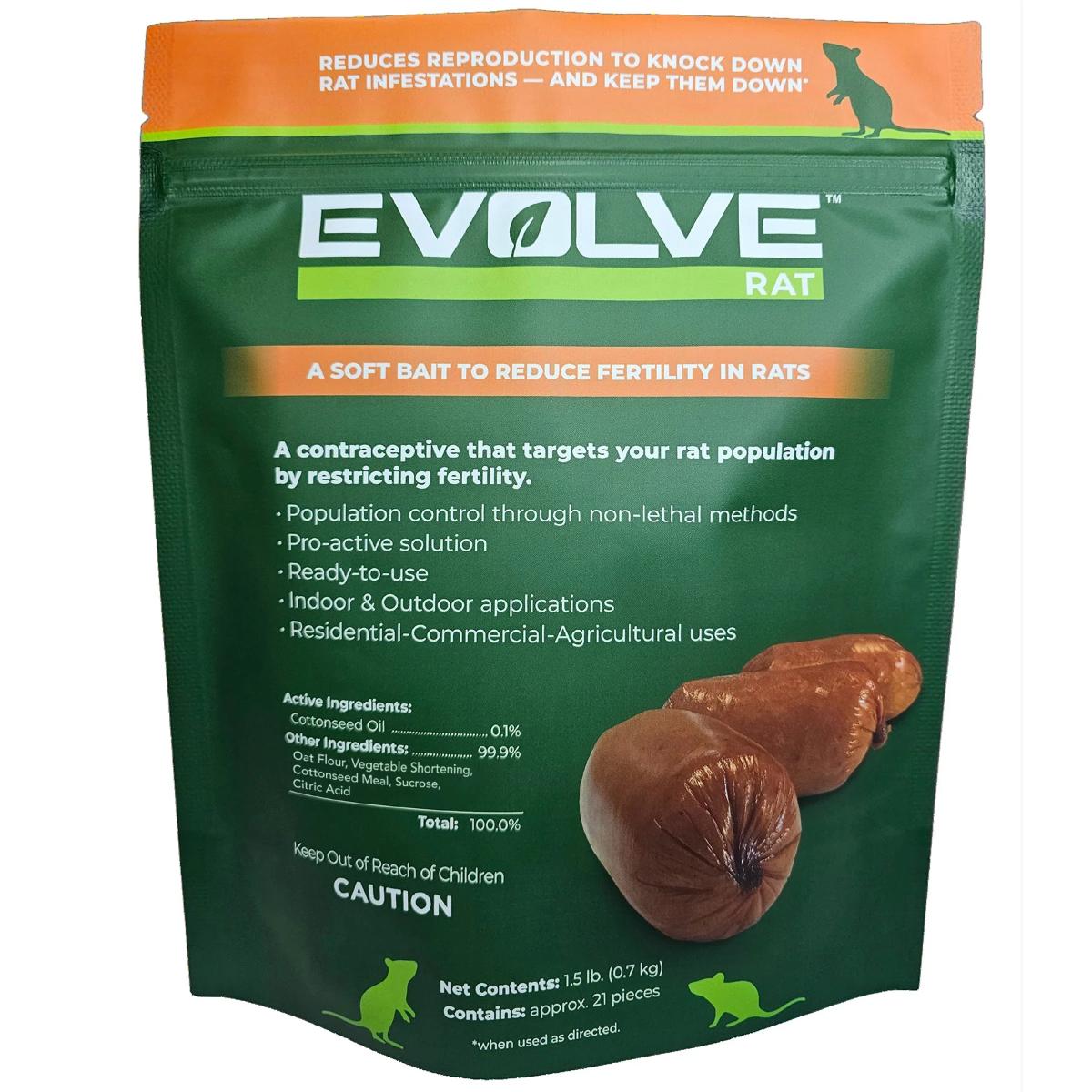
Next, allocate funds for the initial deployment. This includes the cost of the chosen rat control product, sufficient bait stations for proper coverage, and labor for strategic placement. For a contraceptive that targets your rat population by restricting fertility, proper placement is crucial for population control through its non-lethal mode of action. Remember, for best results, use with tamper-resistant bait stations.
Finally, establish a line item for ongoing management. Even the most effective programs require monitoring. Budget for quarterly or semi-annual inspections, data tracking, and product replenishment. A solution focused on long-term population management should show a decreasing cost trend in this “ongoing” category as the population stabilizes at a lower level.
Integrating Fertility Control into Your Financial Plan
Fertility control for pest control rats offers a unique financial profile that merits its own analysis. As a soft bait to reduce fertility in rats, it works by reducing reproduction to knock down infestations—and keep them down when used as directed. The financial advantage is the breakdown of the breeding cycle, leading to a gradual, but sustained, population decline.
From a budgeting perspective, this means your costs become more predictable. Instead of unpredictable spikes for emergency knockdowns, you invest in a consistent, proactive program. It’s a shift from a variable expense to a more fixed, manageable one. For faster results, it may be used in conjunction with traps, which allows you to budget for an integrated approach, using traps for immediate removal of existing adults while the fertility control manages future growth. This integrated strategy can be highly cost-effective, optimizing the strengths of different tools.
Calculating Return on Investment (ROI) in Pest Control
Justifying a budget requires demonstrating return on investment. In pest control, ROI isn’t measured in revenue generated, but in losses prevented and efficiencies gained. Build a simple ROI model comparing your old reactive costs to your new proactive budget.
Factor in:
●Reduced Product Loss: Estimate the value of inventory saved from contamination.
●Lower Labor Costs: Calculate savings from reduced service hours and clean-up.
●Risk Mitigation: Assign a value to avoiding potential fines, lawsuits, or reputational damage.
●Program Longevity: A program that delivers noticeable population reduction when used as directed over time increases its value with each breeding cycle prevented.
A product that is versatile for indoor & outdoor use and designed for commercial, residential, and agricultural sites offers broader application, increasing its utility per dollar spent across a portfolio of properties.
Selecting and Procuring Your Products
With a budget framework in place, the procurement process begins. Source products from reputable suppliers who cater to commercial accounts. Look for a product that is ready-to-use and highly palatable to ensure consistent consumption by the rodent population. For professional use, consider bulk purchasing agreements or subscription models that ensure consistent supply and may offer cost savings.
Always verify that the product aligns with your operational constraints and safety protocols. A product made with food-grade quality ingredients and designated as a minimum-risk pesticide can simplify compliance and safety training. Remember, any claim regarding safety must be contextualized; for instance, stating it is pet, wildlife & bird friendly when used as directed is an approved claim that addresses a key commercial concern. Ultimately, selecting the right tool is about finding the balance between upfront cost, operational fit, and total long-term value for your specific pest control rats challenges.
Frequently Asked Questions
How much should a commercial business budget for rat control?
There is no universal figure, as cost depends on facility size, infestation level, and location. A better approach is to budget 0.1% to 0.3% of your facility’s operational budget for proactive pest management. Alternatively, analyze your previous year’s reactive spending and allocate a similar amount to a proactive program, expecting to see a shift from variable emergency costs to predictable, planned expenses.
Is a higher upfront cost for a product always better?
Not necessarily. “Better” is defined by total cost of ownership and results. A product with a higher initial price that significantly reduces labor, lasts longer in the field, or provides more sustainable control often has a lower annual cost. Evaluate the total program cost over 12-24 months, not just the purchase price.
Can I use fertility control as a standalone solution?
It can be a cornerstone of a program. For established infestations, professionals often recommend using it in conjunction with traps for faster initial results. As a long-term population management tool, its consistent use helps prevent resurgence, potentially reducing reliance on other methods over time.
How long until we see results from a fertility control program?
Because it works by restricting fertility, effects are population-wide and gradual. Individual fertility is impacted within 1-2 breeding cycles. Noticeable population reduction follows as older rodents die naturally and are not replaced. This typically takes several months, emphasizing the need for patience and consistent use as part of a proactive budget.
What are the biggest budget pitfalls in commercial rat control?
The most common mistakes are under-funding the initial deployment (leading to poor coverage), failing to budget for proper bait stations and labor, and cutting the monitoring budget at the first sign of improvement. This often leads to a rebound, wasting the initial investment.
How do I justify this budget to my finance team?
Frame it as risk mitigation and asset protection. Present data on the cost of infestations (contamination, damage, fines) and compare the predictable, planned expense of a proactive program to the volatile, high-cost nature of reactive pest management. Highlight efficiency gains from reduced labor.
Conclusion
Budgeting for high-quality commercial rat control is an exercise in strategic financial planning. It requires looking beyond the sticker price of a product to understand the total cost of an effective program—encompassing labor, safety, compliance, and long-term results. The most cost-effective budget invests in proactive population management, breaking the cycle of constant reaction and escalating expense.
By allocating resources toward a multi-faceted strategy, possibly integrating tools like fertility control with traditional methods, businesses can achieve more sustainable outcomes. This approach transforms pest control from a nagging cost center into a demonstrable value protector, safeguarding your assets, reputation, and bottom line for the long term.