
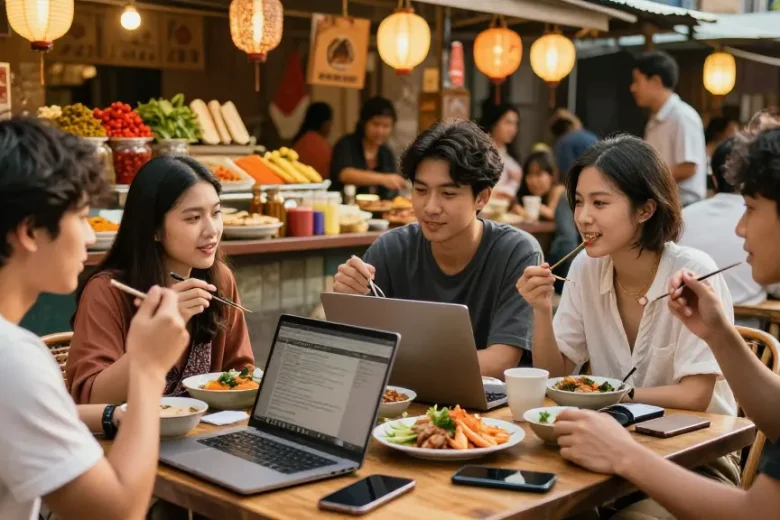
Understanding the Cultural Landscape of Asia
The cultural landscape of Asia is incredibly diverse, reflecting a tapestry of traditions, languages, and histories. From the bustling streets of Tokyo to the serene temples of Bangkok, the continent’s cultural richness captures the imagination and interest of people worldwide. As globalization continues to influence how cultures interact, the sharing of stories, rituals, and art forms has become more prevalent. A key player in this cultural exchange is https://hanadultalk.com, a platform dedicated to presenting Asian culture through a Spanish lens, fostering connections between diverse communities.
Key Influences Shaping Asian Culture Today
Asian culture is shaped by various influences, including historical events, globalization, and the rise of digital technologies. The region’s history, marked by trade routes, colonization, and conflicts, has laid the foundation for a cultural exchange that transcends borders. Today, the digital age allows for immediate access to cultural expressions, making Asian films, music, and art more widely available. This accessibility drives cross-cultural interactions that challenge traditional perceptions and promote understanding.
Popular Trends in Asian Entertainment
Asian entertainment has gained immense popularity around the globe, particularly through the rise of K-dramas, J-Pop, and Bollywood films. These forms of entertainment not only appeal to audiences through captivating storytelling but also introduce cultural nuances that resonate across borders. The phenomenon of K-pop, for example, has created a global fanbase, leveraging social media platforms to create a community fueled by shared interests. Moreover, the growing availability of subtitle options opens doors for Spanish-speaking audiences to enjoy these cultural pieces in their native languages.
How Language Bridges Cultural Gaps
Language is a powerful tool for connecting people and fostering understanding across cultures. In the case of Asian entertainment tailored for Spanish-speaking audiences, bilingual content becomes essential. By translating or providing subtitles for popular Asian dramas and music, platforms like Hana Dul Talk engage more viewers, allowing them to appreciate the cultural depth and richness of Asian narratives without language barriers. This bridging of languages nurtures a sense of community among fans and promotes cultural exchange.
Exploring Asian Cuisine and Its Growing Popularity
Asian cuisine has become a culinary phenomenon globally, celebrated not only for its flavors but also for its cultural significance. The appreciation for food extends beyond taste; it serves as a gateway to understanding the customs and traditions of various Asian cultures. In a time when food has become a source of entertainment, many seek authentic experiences represented in food that tells a story.
Introduction to Asian Culinary Traditions
Asian culinary traditions are as diverse as the continent itself. Countries like Thailand, India, China, and Japan boast unique flavors shaped by geography, climate, and cultural practices. These traditions often incorporate a balance of textures, colors, and flavors that reflect the rich agricultural landscapes from which they originate. Understanding these culinary traditions helps to appreciate the role food plays in celebrations, rituals, and daily life across Asia.
Fusion vs. Authenticity: What’s on the Plate?
The debate between fusion cuisine and authenticity is prevalent in the culinary world. While fusion dishes creatively combine elements from different cultures, purists argue that they dilute the heritage of traditional food. However, the blending of flavors can lead to innovative culinary experiences that attract a broader audience. Asian fusion cuisine has become increasingly popular, offering an exciting introduction to the flavors of Asia for newcomers while retaining elements of the original dishes.
How Food Represents Cultural Identity
Food is not merely sustenance; it is a representation of cultural identity. Each dish tells a story about its place of origin, including ingredients that reflect the local landscape and seasonal availability. Festivals and family gatherings often revolve around food, reinforcing communal bonds and cultural heritage. By experiencing Asian cuisine, individuals can gain insights into the values, beliefs, and traditions of the communities from which these dishes come.
The Role of Media in Fostering Cultural Exchange
Media plays a crucial role in fostering cultural exchange by showcasing diverse narratives and perspectives. Through film, music, and literature, stories from Asia reach global audiences, often sparking interest and curiosity about different cultures. Various platforms serve as vehicles for these exchanges, helping to promote understanding and appreciation for cultural differences.
Impact of Korean Dramas and J-Pop on Global Culture
The impact of Korean dramas and J-Pop has been significant in shaping global culture. They have not just entertained audiences but also influenced fashion, beauty standards, and even language learning trends. The Hallyu wave has swept across various countries, leading to the rise of Korean language courses and cultural events that celebrate this phenomenon. This cultural diffusion not only enriches the global landscape but also serves to connect people through shared interests.
Engaging Content for Hispanic Audiences
Engaging content specifically designed for Hispanic audiences allows for the exploration of Asian cultures through a familiar lens. By providing Spanish-language content about Asian traditions, entertainment, and cuisine, platforms like Hana Dul Talk meet the interests of the growing population of Hispanic individuals intrigued by Asia. This targeted approach ensures that cultural narratives are accessible, helping to forge deeper connections among diverse cultural groups.
Utilizing Social Media to Spread Awareness
Social media has become an indispensable tool for spreading awareness about cultural trends and fostering dialogue between communities. Platforms like Instagram, TikTok, and Twitter facilitate the sharing of experiences, stories, and insights, allowing users to engage with cultural content in real-time. Through user-generated content, individuals can express their love for Asian culture while connecting with others who share similar passions.
Learning Spanish through Asian Cultural Content
Learning a new language can be a daunting task, but integrating personal interests can make the process fulfilling and enjoyable. Asian cultural content provides a unique avenue for Spanish learners to enhance their language skills while exploring something they love — Asian culture.
The Benefits of Bilingual Content Creation
Bilingual content creation allows for a richer learning experience, enabling learners to engage with materials in both their native and target languages. By consuming content from platforms like Hana Dul Talk, Spanish speakers can enhance their linguistic skills while immersing themselves in Asian narratives, legends, and modern stories. This method not only sharpens language skills but also deepens appreciation for cultural nuances.
Top Resources Available on https://hanadultalk.com
Platforms like https://hanadultalk.com offer a plethora of resources for learners seeking to improve their Spanish through Asian cultural content. From articles that explore Japanese anime to in-depth guides on Korean cooking, these resources cater to various interests and learning styles. Engaging with this content allows learners to practice reading comprehension and vocabulary in a context that interests them.
Strategies for Effective Language Learning
Effective language learning strategies involve consistent practice and exposure. Here are some useful tips for learning Spanish through Asian cultural content:
- Daily Practice: Set aside dedicated time each day for language learning, whether it be through reading articles, watching videos, or engaging in conversation.
- Engage with Content: Watch Korean dramas or J-Pop performances with Spanish subtitles, allowing you to grasp the context and vocabulary.
- Join a Community: Engage with fellow learners through forums or social media groups focused on language exchange while sharing interests in Asian culture.
- Use Flashcards: Create flashcards with vocabulary or key phrases taken from cultural content to reinforce memory and retention.
Future Trends and Predictions in Cultural Engagement for 2026
As cultures continue to adapt and evolve, several trends are expected to influence cultural engagement by 2026. The convergence of technology and culture will shape how we consume, engage with, and appreciate traditions from around the world.
Emerging Influences in Asian Pop Culture
The emergence of new storytelling methods, such as virtual reality and augmented reality, is likely to influence how Asian pop culture is shared globally. These technologies could create immersive experiences that allow audiences to engage with cultural narratives in unprecedented ways.
Tech Innovations Shaping Cultural Consumption
Innovations in streaming services and content delivery will also impact cultural consumption. This expansion will facilitate global access to Asian films, shows, and music, allowing fans to engage with the culture anytime and anywhere. The rise of AI-driven personalization could also tailor content recommendations to individual preferences, further enhancing user experience.
What the Future Holds for Cultural Hybridity
Cultural hybridity will continue to thrive as communities interact more frequently through globalized platforms. This blending of cultures will create new art forms, foods, and traditions that reflect shared experiences while retaining unique elements from each culture. The future appears bright for cultural hybridity as audiences seek authenticity in representation.
How Can I Stay Updated on Cultural Trends?
Staying updated on cultural trends requires a proactive approach. Subscribing to cultural newsletters, following relevant social media accounts, and participating in discussions on platforms like Hana Dul Talk can help individuals stay informed and engaged.
What Are the Best Practices for Content Engagement?
Best practices for effective content engagement include actively participating in conversations, sharing personal insights, and connecting with others who share similar interests. Engaging with cultural content through comments, likes, and shares fosters a sense of community and encourages further exploration of diverse cultures.
How Does Language Affect Cultural Understanding?
Language shapes how we perceive and engage with culture. It serves as a lens through which we interpret behaviors, customs, and meanings. Learning a language can foster deeper connections and insights into cultural values, enhancing empathy and understanding.
What Role Do Social Networks Play in Cultural Exchange?
Social networks facilitate cultural exchange by providing platforms for sharing experiences and stories. They connect individuals across the globe, fostering relationships based on common interests in music, art, food, and traditions that transcend geographical boundaries.
How Can I Contribute to Cultural Discussions?
Contributing to cultural discussions involves sharing personal experiences, providing insights based on cultural engagement, and creating meaningful dialogue about diverse perspectives. Being open to learning and understanding differing viewpoints enhances the quality of discussions and promotes a culture of respect and appreciation.